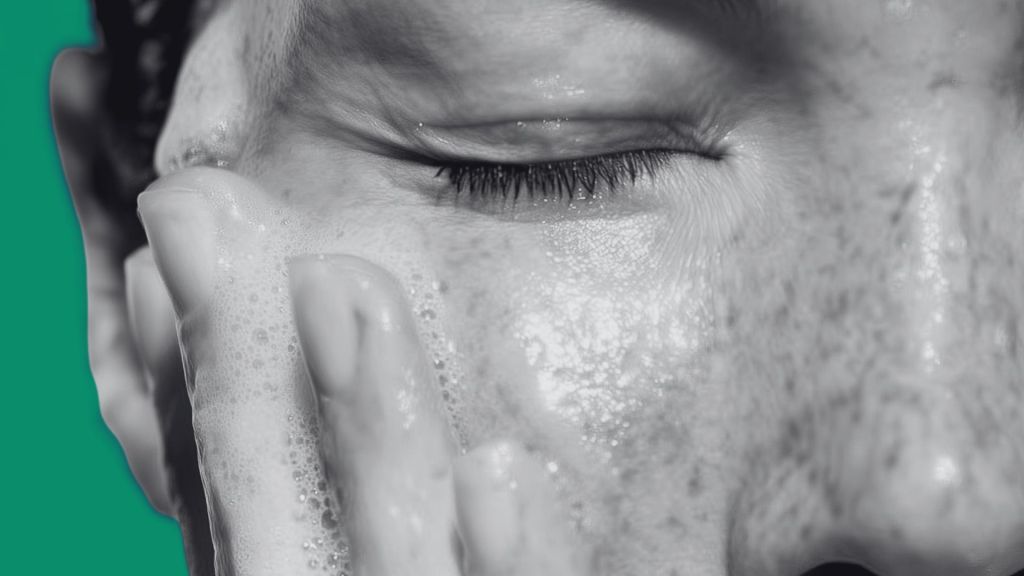
How many products are in your skincare routine? One study found that, as a result of the pandemic’s disruption of the beauty and skincare industries, consumers are adding more products to their routines (Chan et al., 2025). This has only been further normalised as a result of the rise in popularity of K-beauty brands, of whom are masters in selling multi-step beauty routines to their customers.
This trend is shifting the way we consume skincare products in North America.
How are Cosmetic Rituals Changing?
This new multi-step ritual is also bleeding into how consumers approach body and haircare, with the Business of Fashion calling the trend ‘Skinification’. It’s described as “using skincare-grade formulas on the hair and body”, and is being spurred on by social media content and its influence on cosmetics buying habits (Flora, 2024).
Check out the video below for a look into the Skinification trend.
How Skincare Retailers are Reacting
Along with changing the way that consumers approach their daily rituals and buying habits, it is affecting the strategic business decisions that brands in the North American market are making when catering to customers.
The most recent example of this is the partnership between North American cosmetics retailer Sephora and South Korean cosmetics retailer Olive Young. The two brands are working together in what Sephora called a “visionary omnichannel partnership in the United States, Canada, Hong Kong SAR and Southeast Asia” (SEPHORA and, 2026). The collaboration will allow customers to shop popular Olive Young products in an exclusive section in each Sephora store and on their website.
The partnership’s aim is to provide Sephora shoppers with a broader selection of K-beauty products, giving them a competitive edge in the evolving cosmetics landscape. While also allowing Olive Young to increase their physical availability and brand awareness through Sephora’s online and in-store distribution system.
Another sign that brands are recognizing the shift in consumer buying habits is the entry into the American market by a Canadian-founded Asian beauty and cosmetics retailer, SUKOSHI. In late 2025, the brand opened five new stores in major U.S. cities, including Miami, Atlanta, and New York (Le, 2025). The brand’s decision solidifies the growth opportunity that Asian skincare represents in the North American market today.
Opportunities for growth for North American Brands
But how do brands take advantage of this popularity if major players have already entered the game? Well, according to a report from Mintel examining the American skincare market in 2025, “brands should focus on building stronger customer relationships” to see success in the category (Li, 2025).
Smaller brands should approach this with caution, as they face the law of double jeopardy when competing with larger brands like Sephora. This law states that “smaller share brands have fewer sales because they have many fewer customers (the first jeopardy) who are slightly less loyal (the second jeopardy)” (Romaniuk, 2022).
As a result, while building loyalty among existing customers is still important, smaller brands looking to capitalize on growth in the North American Asian skincare market should focus on winning over customers from larger retailers and on offering product assortments that rival or exceed those of brands like Sephora.
Brands can also take advantage of the skinification trend and work on developing or selling body care, hair care, and/or makeup products that use skincare-grade ingredients and list clinical performance results as a method to gain a competitive advantage in the industry.
Check out more from my Marketing Minute blog by visiting my blog homepage.
REFERENCES
Chan , C., Hidajat, I. J., Angela Wai Kay , L., & Maureen Miracle , S. (2025, June 3). Comparison of skincare routine before and after the… : Journal of Craniofacial Surgery Open. Journal of Craniofacial Surgery Open. https://journals.lww.com/jcso/fulltext/2025/06010/comparison_of_skincare_routine_before_and_after.10.aspx
Flora, L. (2024, December 4). The multi-step beauty routine moves beyond the face. The Business of Fashion. https://www.businessoffashion.com/articles/beauty/the-multi-step-beauty-routine-moves-beyond-the-face/
Le, L. (2025, October 12). U.S. expansion: 5 New Stores!. SUKOSHI. https://sukoshi.com/blogs/mo-sukoshi/u-s-expansion-5-new-stores
Retail Insider. (2024, April 17). Sukoshi Mart opens its largest store yet, elevating the Asian Beauty and Lifestyle Shopping Experience. https://retail-insider.com/bulletin/2024/04/sukoshi-mart-opens-its-largest-store-yet-elevating-the-asian-beauty-and-lifestyle-shopping-experience/
Romaniuk, J. S. (2022). How brands grow: Part 2 revised 2nd edition: 9780190330026, 9780190330033. VitalSource. https://www.vitalsource.com/products/how-brands-grow-part-2-revised-ebook-romaniuk-jenni-sharp-byron-v9780190330033
Sephora newsroom. Sephora Newsroom. (2026, January 20). https://newsroom.sephora.com/sephora-and-olive-young-partner-to-bring-the-best-of-korean-beauty-to-sephora-consumers/
US facial skincare market analysis & forecast: Mintel. Mintel Store. (2025, November 20). https://store.mintel.com/report/us-facial-skincare-market-report

 morgan's portfolio
Leave a comment